
Water Management That Protects Foundation Integrity
Drain Tile Installation and Yard Drainage Solutions for Water Management Issues
Standing water across the yard after rain events indicates soil that cannot absorb runoff quickly enough or grading that traps water in low areas instead of directing it away from structures. Properties across Coopersville, Allendale, and surrounding West Michigan areas often deal with these issues due to soil composition and seasonal weather patterns. When foundation walls remain saturated, hydrostatic pressure can force moisture through concrete, leading to staining, cracking, and long-term structural concerns as freeze-thaw cycles repeat each winter. Tsmitty's Outdoor Management LLC installs drain tile systems and yard drainage solutions designed to move water away from foundations and prevent accumulation in problem areas.
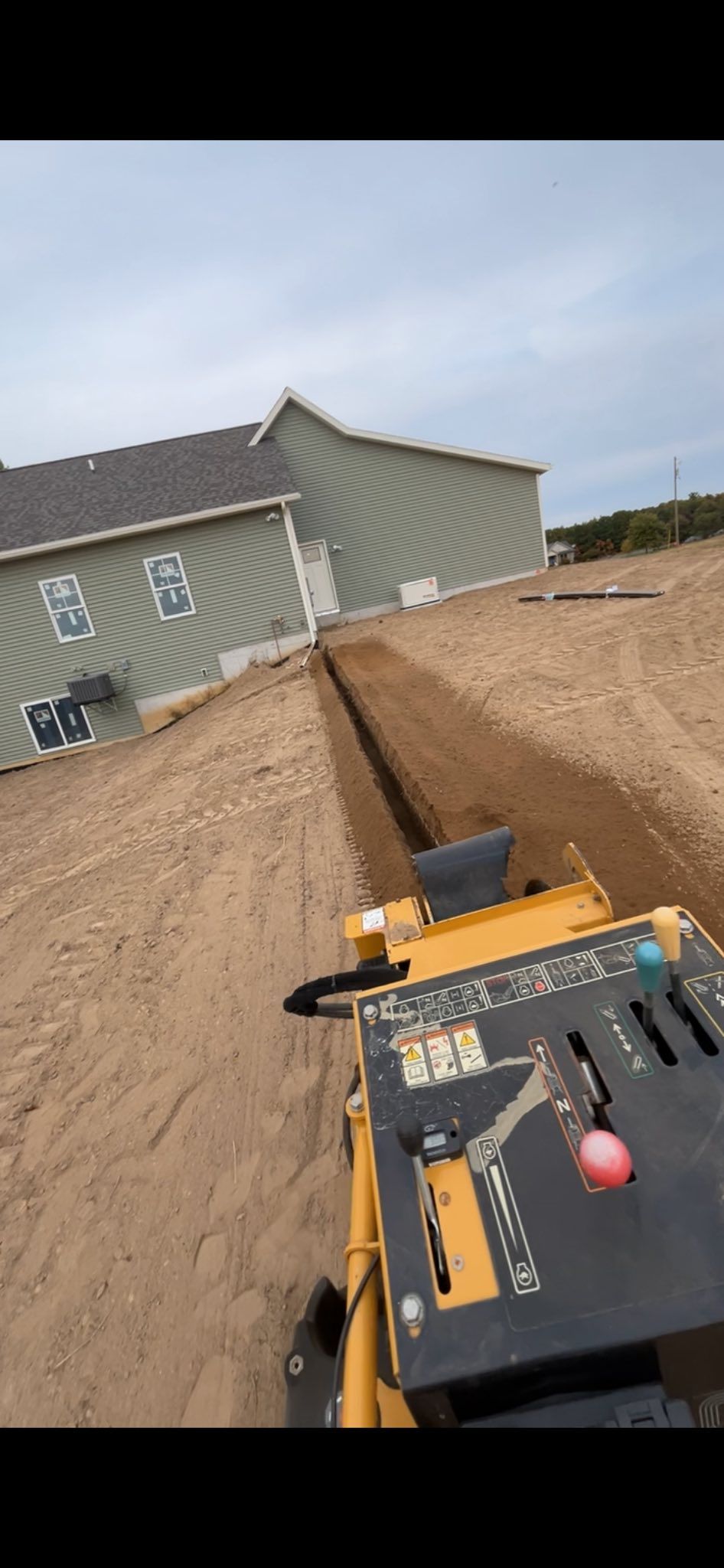
Drain tile systems use perforated pipe surrounded by gravel, installed in trenches along natural water flow paths or areas where interception is needed. Grading adjustments help redirect surface runoff toward proper outlets, eliminating low spots where water pools. For more severe drainage problems, systems may combine subsurface tile with surface solutions like catch basins or drainage channels to manage both surface runoff and groundwater movement.
Arrange an on-site evaluation to identify specific drainage issues and review system design options tailored to your property.
How Drain Tile Addresses Water Accumulation
Water follows the path of least resistance, which means it flows toward drain tile trenches where gravel provides easy entry and perforated pipe offers an escape route away from problem areas. The system lowers the water table around foundations by intercepting subsurface flow before it reaches basement walls, reducing hydrostatic pressure and moisture intrusion. Surface grading works in coordination with subsurface drainage, ensuring rainwater moves across the yard toward tile inlets rather than ponding or running toward the house.
After installation, areas that previously held standing water for days after storms now drain within hours as runoff enters the tile system and exits to a designated outlet. Basement moisture problems diminish because soil surrounding the foundation remains drier, eliminating the saturation that drives water through porous concrete. Erosion channels disappear as water flows through controlled pathways instead of cutting across the yard and washing soil away during heavy rain events.
New construction properties benefit from drainage planning before landscaping or final grading occurs, avoiding the need to excavate and disrupt established lawns or plantings later. Existing homes with drainage problems require diagnostic work to identify where water originates and which intervention points will control it most effectively. Tile systems are installed below frost depth to prevent pipe damage from freezing and positioned with appropriate slope to maintain flow without sediment accumulation that clogs perforations over time.
Drainage projects raise questions about system design, installation impact on existing landscaping, and how to recognize when drainage intervention is necessary versus manageable with grading alone.
What Property Owners Usually Ask
What indicates that a property needs drain tile installation versus just grading improvements?
Standing water that persists more than twenty-four hours after rain or basement moisture that appears during wet periods typically requires subsurface drainage because grading alone cannot lower the water table or intercept groundwater flow. Surface ponding in isolated areas may be resolved with grading adjustments that redirect runoff without tile installation.
How deep are drain tile systems installed to function correctly in West Michigan?
Tile depth varies with application, but systems typically run eighteen to thirty inches below grade to remain below frost penetration and intercept groundwater before it reaches foundation level. Shallow installations risk freeze damage, while excessive depth reduces effectiveness at capturing water that moves through upper soil layers.
Where does water go after it enters the drain tile system?
Tile outlets discharge to existing drainage swales, municipal storm systems where permitted, or lower areas of the property where water dispersal will not create problems. Outlet location selection ensures water exits the property or reaches safe dispersal areas without redirecting drainage issues to neighboring properties or creating erosion at discharge points.
What installation disruption should homeowners expect during drain tile projects?
Trenching and excavation create temporary disturbance along the drainage path, requiring restoration of turf or plantings after backfilling and compaction. Properties in Coopersville, Allendale, and surrounding West Michigan areas with existing landscaping may require selective plant removal or relocation during installation, with restoration completed as part of the project to return the yard to a usable condition.
How does drainage system design account for future landscape changes or additions?
Systems are positioned to avoid interference with typical landscape features and provide adequate depth to remain functional if additional grading occurs later. Tile paths are documented so future excavation for other projects can avoid damaging drainage components or creating breaks that compromise system performance.
Tsmitty's Outdoor Management LLC identifies and solves water management challenges using drain tile installation and grading strategies tailored to your property's specific conditions. Contact us to discuss drainage solutions that protect your foundation and eliminate standing water problems.