Property Care Built for Michigan's Four Seasons
Year-Round Property Management in Coopersville for properties requiring consistent maintenance through spring growth, summer heat, fall cleanup, and winter snow
Tsmitty's Outdoor Management LLC provides year-round property management in Coopersville and surrounding communities, addressing the full cycle of seasonal demands Michigan properties face. Properties that sit unattended through even one season often develop drainage issues from clogged gutters, overgrown landscapes that encroach on structures, or irrigation systems damaged by improper winterization. Continuous management prevents these cascading failures by maintaining systems and landscapes as conditions shift throughout the year.
Year-round management includes spring landscaping installations and bed preparation, summer irrigation system monitoring and turf care, fall property cleanups that remove debris before snow arrives, and winter snow removal that keeps driveways and walkways accessible.
Each season requires different equipment, techniques, and timing to address what Michigan weather patterns demand from outdoor spaces.
Schedule a property assessment to establish a seasonal management plan tailored to your landscape and infrastructure needs.
How Continuous Management Prevents Seasonal Failures
Seasonal transitions create the majority of property maintenance problems—irrigation lines that freeze because they weren't blown out before November, spring flooding from downspouts clogged with fall leaves, or turf damage from snow mold that develops under uncleared debris. Year-round management addresses these vulnerabilities by preparing systems before each season arrives rather than reacting to damage after it occurs.
You'll notice that gutters remain clear and functional through autumn storms, walkways stay safe and accessible during winter snowfall, and landscapes transition through seasons without dead zones or overgrowth encroaching on building foundations. Irrigation systems start reliably each spring because they were properly winterized the previous fall, and turf remains dense because aeration and overseeding happen at optimal times rather than as afterthoughts.
This approach also includes monitoring for early signs of pest pressure, soil compaction, or drainage changes that develop gradually and become expensive problems if ignored for multiple seasons. Continuous oversight catches these issues when they're still manageable.
Properties in Coopersville and the surrounding region deal with clay-heavy soils, lake-effect snow variability, and freeze-thaw cycles that stress both landscapes and hardscapes. These conditions shape how year-round management is structured and what gets prioritized during each seasonal transition.
Questions Property Owners Ask About Seasonal Management
What does spring property preparation involve?
Spring work focuses on clearing winter debris, reactivating irrigation systems after lines are pressurized and checked for freeze damage, pruning back dead growth, and applying pre-emergent treatments before weed seeds germinate in warming soil.
How is irrigation maintenance handled between seasons?
Systems are monitored monthly during active use for leaks, coverage gaps, and controller malfunctions, then blown out with compressed air before the first hard freeze to prevent line ruptures that require excavation and replacement.
What happens during fall cleanup beyond leaf removal?
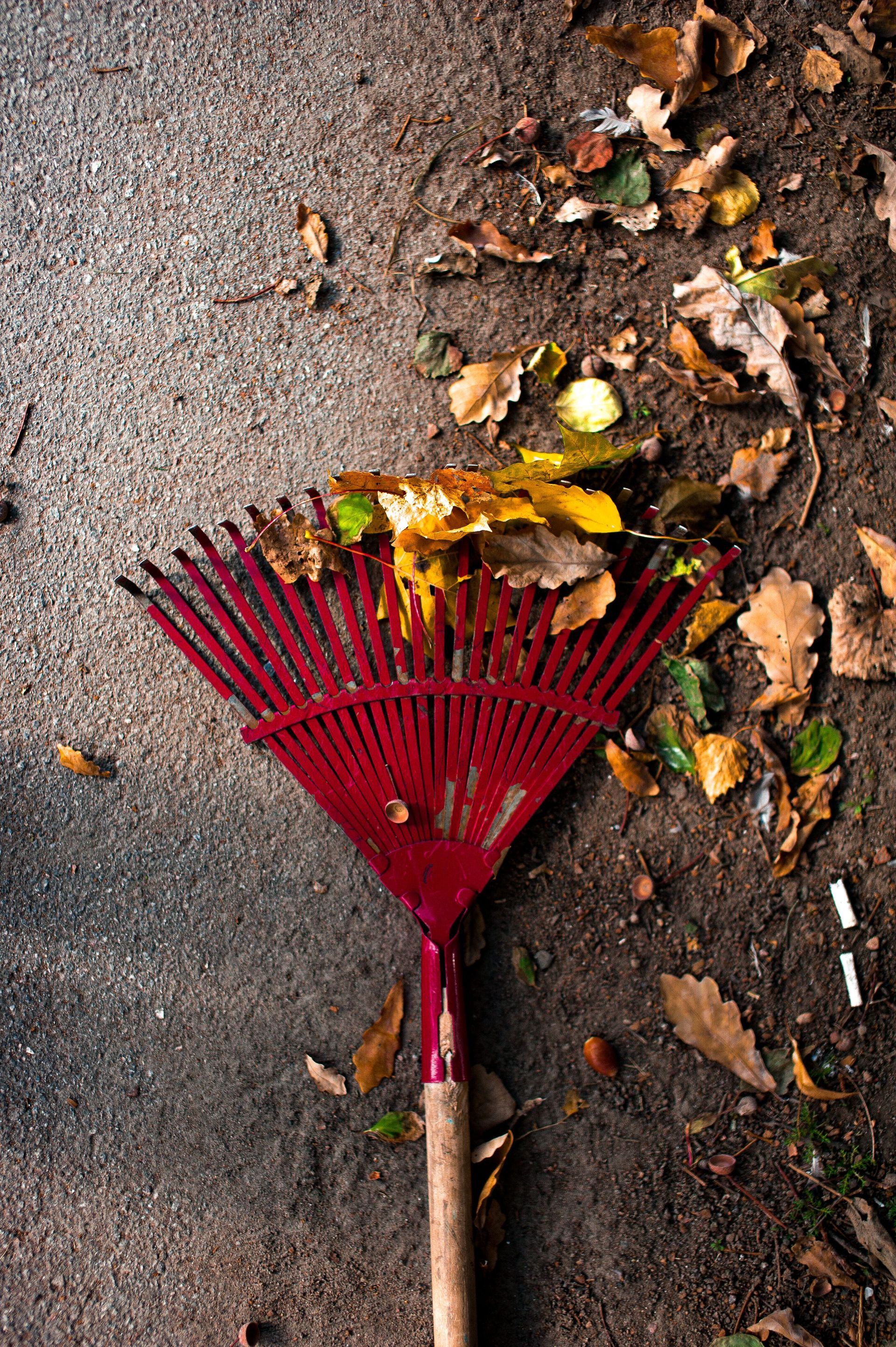
Fall work includes cutting back perennials, clearing gutters and downspouts, mulching beds to insulate root zones, and removing organic debris that traps moisture against foundations or creates snow mold conditions under winter snow cover.
When does snow removal begin and what triggers service?
Snow removal typically starts when accumulation reaches two inches or when ice forms on walkways and driveways, with timing adjusted based on forecast conditions to keep surfaces accessible before heavy traffic compacts snow into difficult ice layers.
Why is continuous management more effective than seasonal contracts?
Continuous management allows for proactive system adjustments—like shifting irrigation schedules during drought periods or addressing drainage before heavy rains—rather than waiting for scheduled visits that may not align with actual weather conditions or property needs.
Tsmitty's Outdoor Management LLC structures year-round plans around the specific seasonal challenges your property faces, from soil drainage patterns to snow drift areas that require repeated attention. Request a consultation to review your property's seasonal requirements and establish a management schedule that prevents problems before they develop.